Behind the FFF Brand Rating
The rating is built from what we can actually verify about the materials a brand uses, the certifications behind them, and the claims the brand makes.
Every brand on FFF receives a score from 0 to 100, together with a label: Excellent, Good, or On the way.
The rating is built from what we can actually verify about the materials a brand uses, the certifications behind them, and the claims the brand makes.
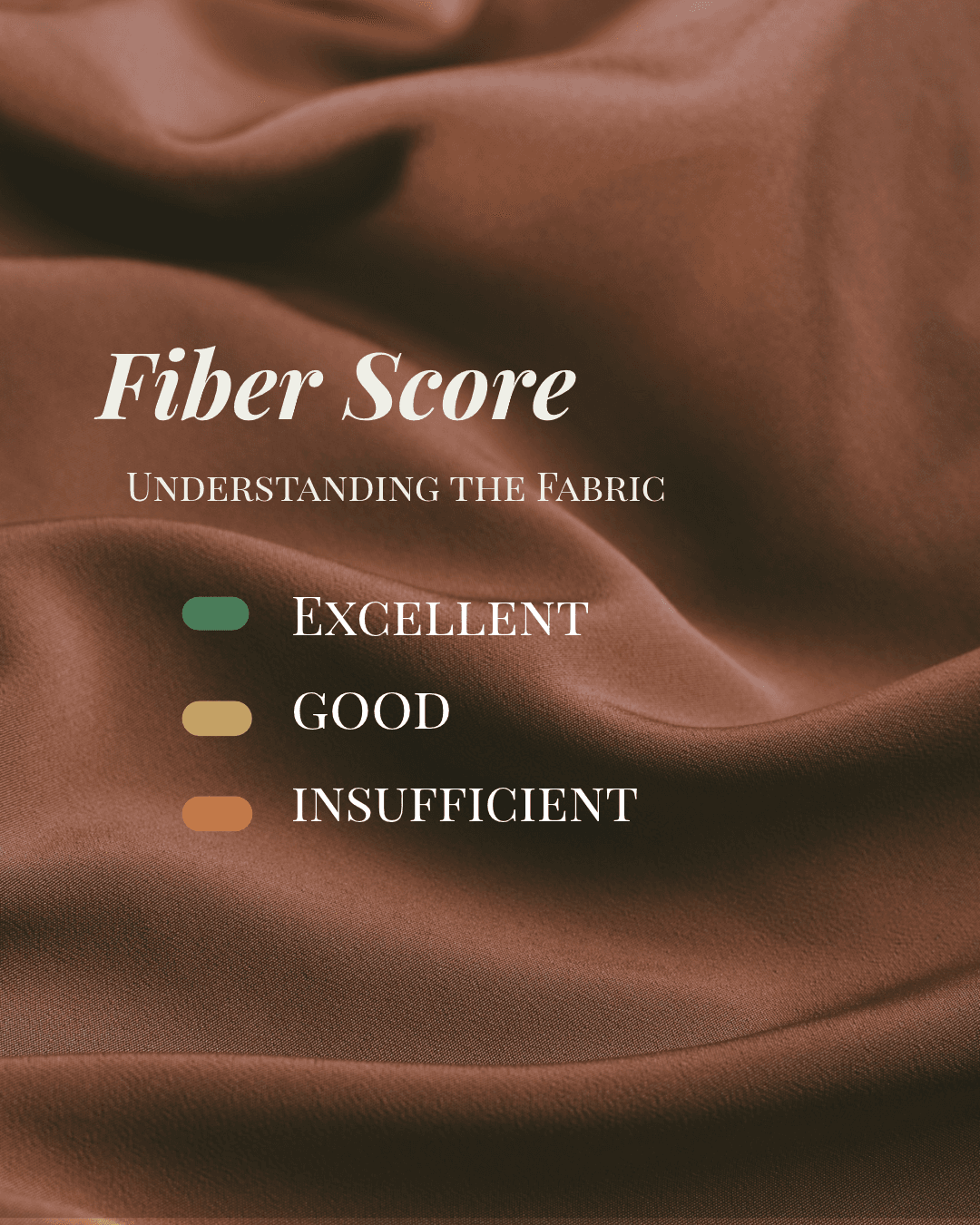
The most important input is the FFF Fiber Score. Every fiber we rate is assessed across its full journey — from how it is produced and processed to what happens when the garment reaches the end of its life.
PRODUCTION → PROCESSING → USE → END OF LIFE
We look at the material itself, the evidence behind it, and the wider impact of its journey.
What goes into the rating?
1. Fiber Scores The fibers used across a brand's catalog contribute according to their individual FFF Fiber Scores.
A fiber's score can reflect: Water · Chemicals · Pollution · Microplastics · Biodegradability · Sourcing · Land · Global environmental impact · Durability · Circularity
This is important because “cotton”, “linen” or “polyester” is only the beginning of the story.
2. Certifications Recognized certifications can provide evidence that supports what a brand says about its materials, production or processes.
We only count certifications we can match to a public registry or other reliable source. No proof, no extra points.
3. Published evidence We also look at information a brand makes publicly available, such as its supply chain, environmental policies, production information and measurable progress. A brand that gives us more concrete information gives us more to verify.
4. Unsupported claims When we find a specific, verifiable sustainability claim that isn't supported by evidence, it can negatively affect the rating. We don't penalize a brand for simply being vague. We look for claims we can actually investigate.
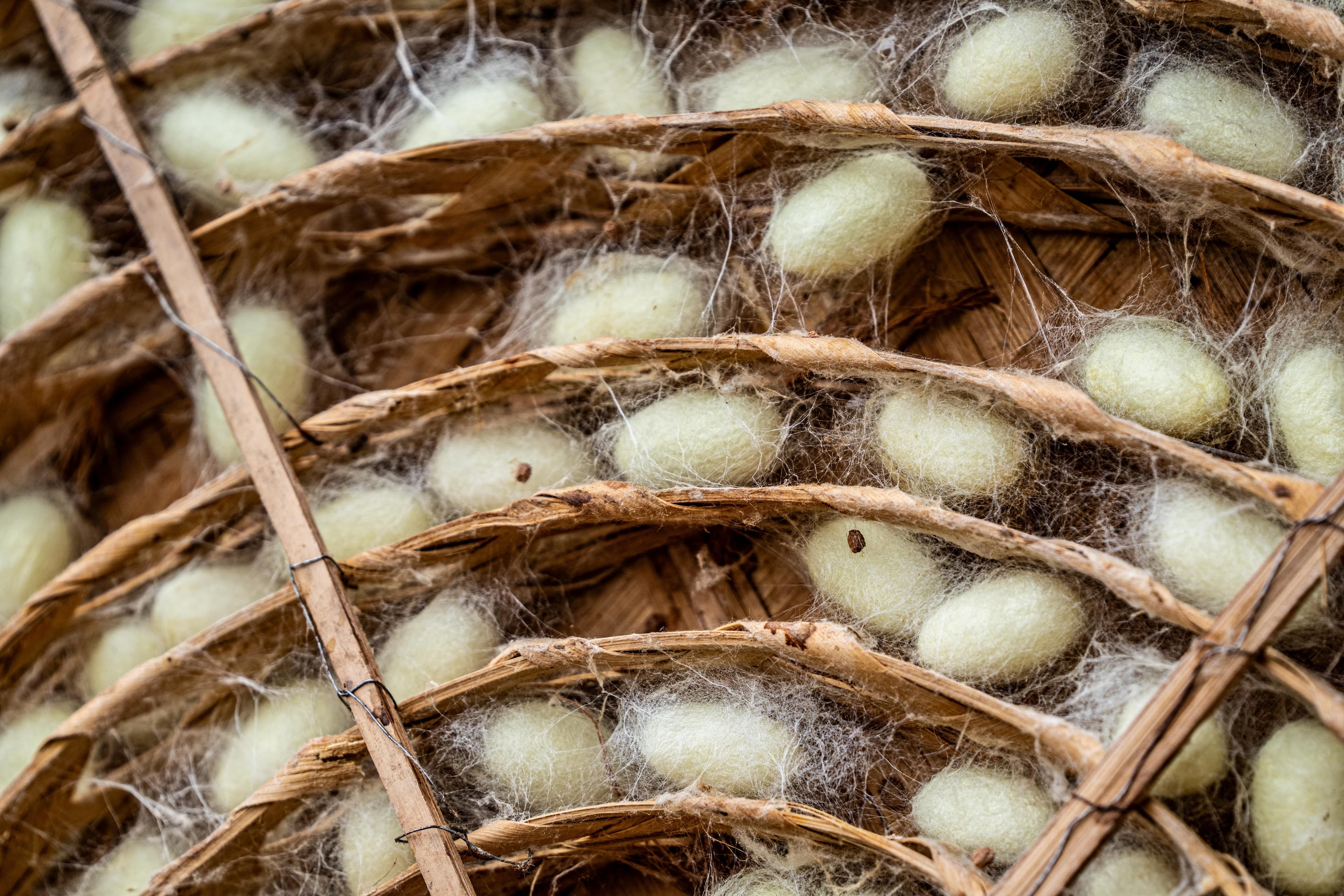
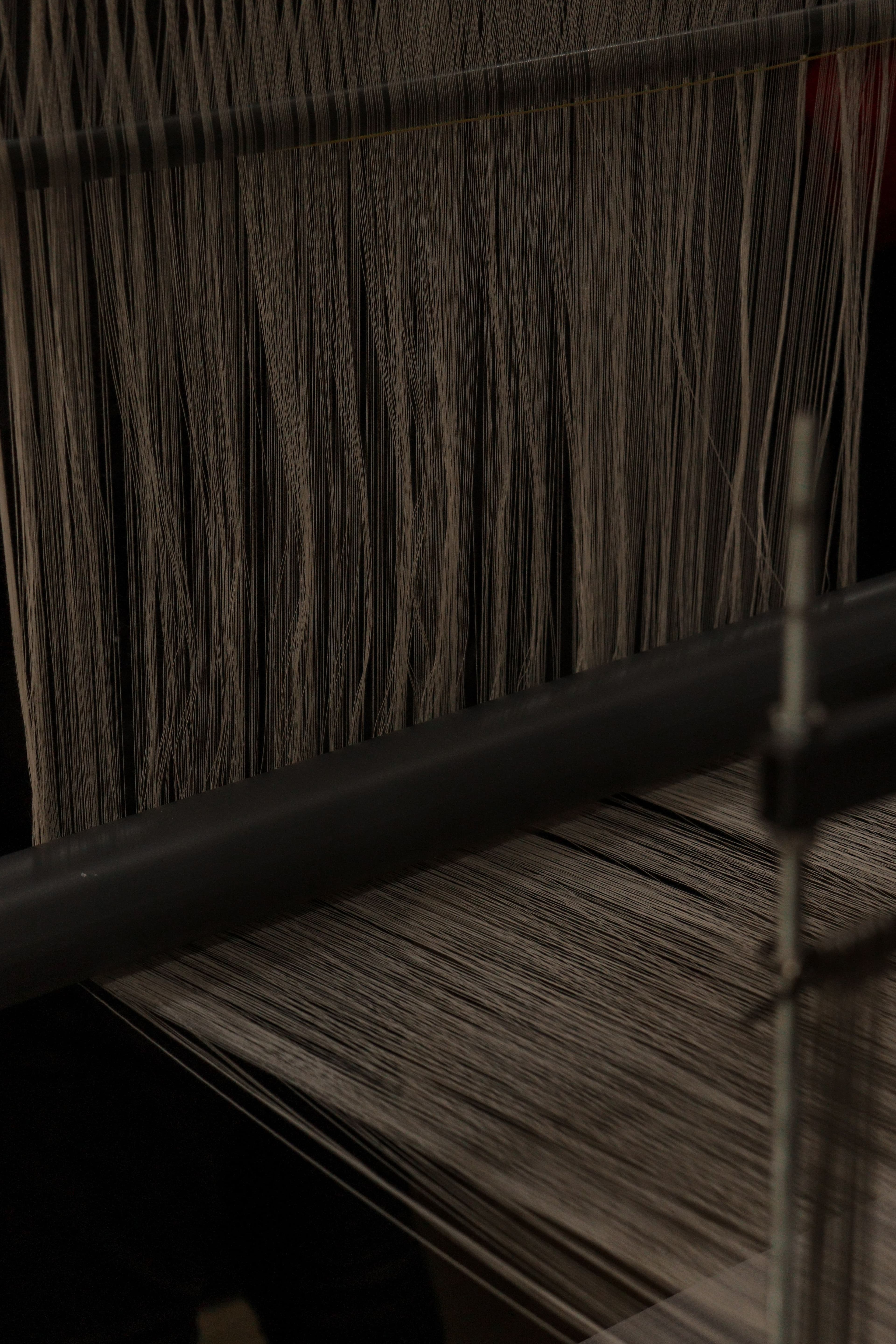
The Fiber Score is the foundation
The Fiber Score considers not only where a material comes from, but how it is produced, what happens during processing, how it performs over time and whether it has a viable path at the end of its life.
We have published full information about our Fiber Score criteria. Find it here: link
What the rating does not measure
The Brand Rating is not a garment-quality score. It does not tell you how well a particular shirt was sewn, how it fits, or whether you personally will love wearing it.
The Brand Rating is not the same as the Fiber Score. The Fiber Score tells you what we found about a particular material.
The Brand Rating looks at the materials, evidence and claims across the brand's catalogued products.
We keep these two scores separate on purpose.
How we handle evidence
We use three levels:
Verified A claim is supported by a recognized third-party certification or another source we can independently verify.
Declared The brand states it publicly, but we have not independently verified it.
Unknown We looked and couldn't find enough information to confirm it.
Declared never becomes Verified simply because a brand says it again.
That's the distinction we care about.
What the score means
Excellent — 80–100 Strong evidence across materials, certifications and claims.
Good — 40–79 Meaningful positive signals, with some areas still to strengthen or verify.
On the way — 0–39 In the catalog, but not enough evidence yet for a stronger rating.
One important thing
FFF's rating is not for sale.
Brands can become FFF Partners and receive commercial benefits such as enhanced visibility and control over their profile.
Partner status does not feed into the rating calculation, and payment never changes a score.
We publish our criteria because we don't expect you to simply take our word for it. You can look at the evidence. You can question our weighting. You can see what we couldn't verify.
That's how we think a rating should work and, honestly, that's the part we find most fascinating.
See what it's made of before you buy.